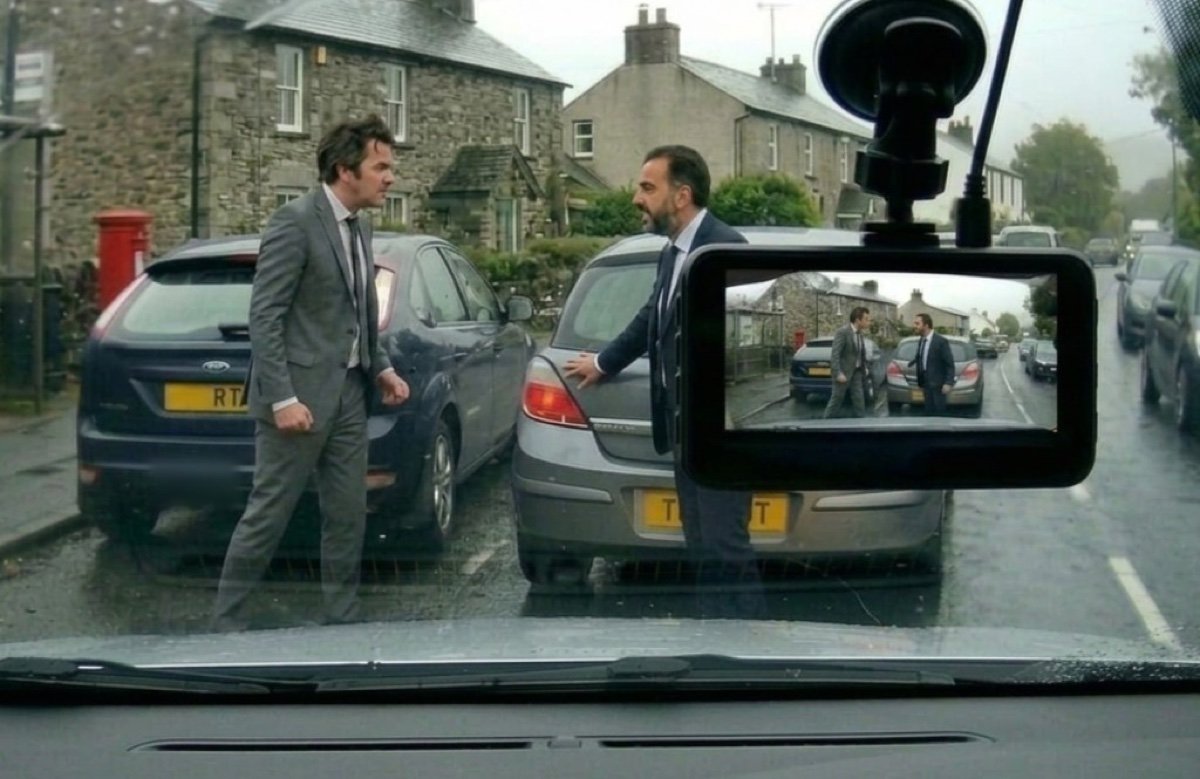
It started with a minor collision on a narrow village road near Hawkshead. Two cars. A wet February morning. A small bump, both drivers stopped, and what should have been a straightforward exchange of insurance details turned into something else entirely.
One of them got out of his car.
What happened over the next six minutes was recorded in full — by a dashcam running in parking mode on a third car parked nearby. Neither driver knew it was there.
"He was certain he was in the right. He had no idea the whole thing was on camera. That's the part that changes everything."
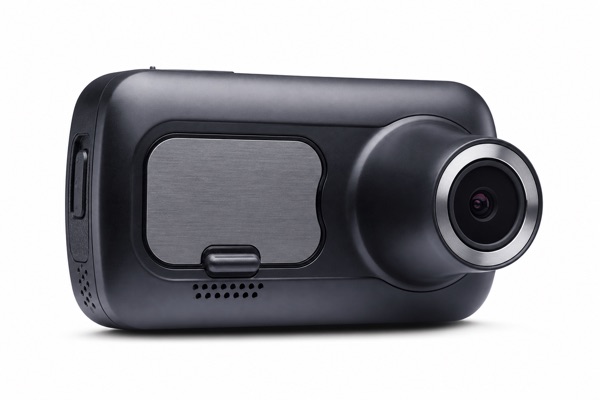
Mark, 44, a project manager from Ambleside who owned that third car, hadn't given his dashcam much thought since he'd had it fitted. He'd chosen a Nextbase 622GW after reading about a neighbour's insurance dispute. He never expected to need it the way he did.
But that morning, his parking mode had activated automatically — triggered by the motion of the collision — and recorded everything. Six minutes and twenty-three seconds. GPS-stamped. Time-stamped. Crystal clear.
Nobody Could Stop It. The Camera Kept Rolling.
When Mark got to work that morning, he had two missed calls from Cumbria Police. He called back. The officer asked if he happened to have any footage from outside his house that morning.
"I said yes," he told us. "She went quiet for a second. Then she said: 'Can you come in?'"
What Mark didn't know was that the driver of the first car — the one who had got out, who had been pointing and shouting — had already filed a complaint. He had named the other driver as the aggressor. He had described a version of events where he had been threatened and intimidated.
The initial bump had happened shortly before 8:47 AM. Both drivers had exchanged words and separated. The other driver had driven away — and filed a formal complaint within minutes, naming the other party as the aggressor. Then, apparently unsatisfied, he returned. Mark's dashcam captured what happened next at 9:14 AM. The complaint was on record before the confrontation had even taken place.
New to HomeBookkeeper?
Use the code below at checkout — save 10% on your first order
10% off for new customers only. Single use. Min. order £20. Cannot be combined with other offers.
They Didn't Know the Camera Was On. Britain Saw Everything.
The formal police interview took place four days later. The dashcam footage was played on a screen in the custody suite — all six minutes and twenty-three seconds of it — in front of officers, both drivers, and their legal representatives.
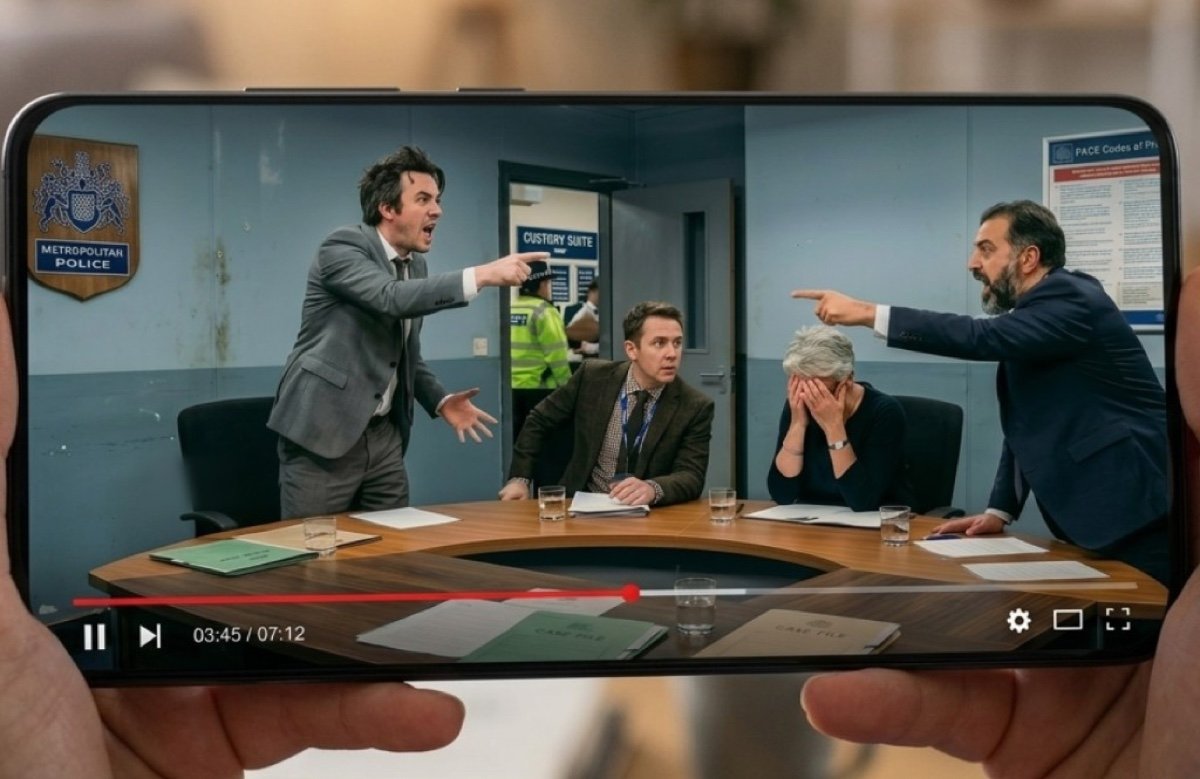
Cumbria Constabulary custody suite. The full dashcam clip was played during the formal interview — 6 minutes 23 seconds of GPS-verified footage.
The driver who had filed the complaint watched the footage without speaking. His solicitor asked for a short break. When they returned, the complaint was withdrawn.
"The officer told me it was one of the clearest pieces of dashcam evidence she had seen. Not because it was dramatic. Because it was simply, completely accurate. Every second of it."
No charges. No court dispute. No drawn-out insurance battle. The footage made everything unambiguous — and both sides knew it. The other driver paid for the damage to Mark's car within the week.
The Camera Was Still On — Nobody Could Stop It.
Mark's story is not unusual. Every month on UK roads, dashcam footage is used to close insurance disputes, support police reports, and protect drivers from claims that simply aren't true. The footage doesn't argue. It doesn't misremember. It doesn't get intimidated.
It just records. And when you need it, you play it.
The driver who filed the false complaint almost certainly didn't know there was a dashcam in parking mode on the street outside. That assumption — that no one is filming — is one fewer and fewer drivers can rely on.
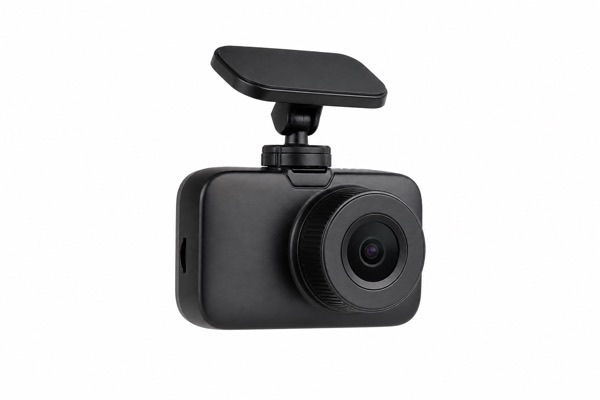
Mark now tells anyone who asks the same thing: the dashcam cost him less than a single hour of a solicitor's time. What it saved him — in stress, legal exposure, and money — is impossible to quantify.
"I don't think about it anymore," he says. "It's on, it's recording, and I forget about it. Exactly like a seatbelt. You don't put it on because something's going to happen. You put it on because roads are unpredictable. And when something does happen — you want a record."